
Upgrading or replacing your Amazon tribe makes contact tools is essential for ensuring optimal performance and efficiency. Knowing the right time to do so can help you avoid unnecessary costs and downtime. This guide offers clear indicators and practical steps to assist you in making an informed decision.
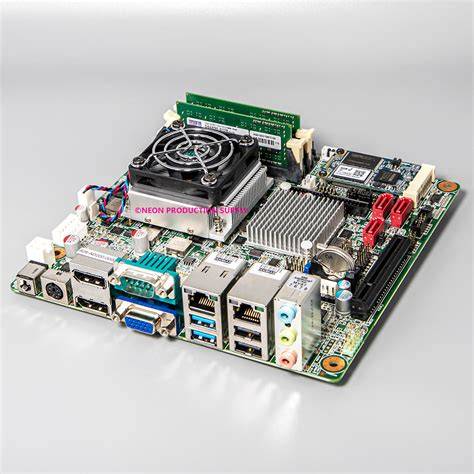
Signs Your Tools Need Upgrading
Recognizing the signs that your tools need upgrading is the first step. If your tools are frequently breaking down, requiring constant repairs, or are no longer meeting your needs, it might be time for an upgrade. Additionally, if newer models offer significant improvements in efficiency and functionality, upgrading could be beneficial.

Benefits of Upgrading
Upgrading your tools can bring several benefits. Improved efficiency can lead to faster task completion, while enhanced functionality can open up new possibilities. Additionally, newer tools often come with better warranties and support, providing peace of mind and reducing long-term costs.
When to Consider Replacement
If your tools are outdated and no longer supported by the manufacturer, replacement might be the best option. Similarly, if the cost of repairs and maintenance exceeds the cost of a new tool, it's time to consider replacement. Ensuring compatibility with current technology and standards is also crucial.
Steps to Upgrade or Replace Your Tools
- Assess your current tools to identify their limitations and inefficiencies.
- Research available upgrades and replacements to find the best fit for your needs.
- Consider the cost of upgrading versus replacing, including long-term benefits and savings.
- Consult with experts or manufacturers to get recommendations and support.
- Plan for the transition, including training and integration of new tools.
Frequently Asked Questions
What are the signs that my tools need upgrading?
Signs include frequent breakdowns, high repair costs, and outdated functionality. If newer models offer significant improvements, upgrading is advisable.
How do I choose between upgrading and replacing my tools?
Consider the cost of repairs versus the cost of a new tool, as well as compatibility with current technology and standards.
What benefits can I expect from upgrading my tools?
Upgrading can bring improved efficiency, enhanced functionality, better warranties, and long-term cost savings.


